Ukraine Faces Critical Shortage of Patriot Missiles as Russia Escalates Airstrikes
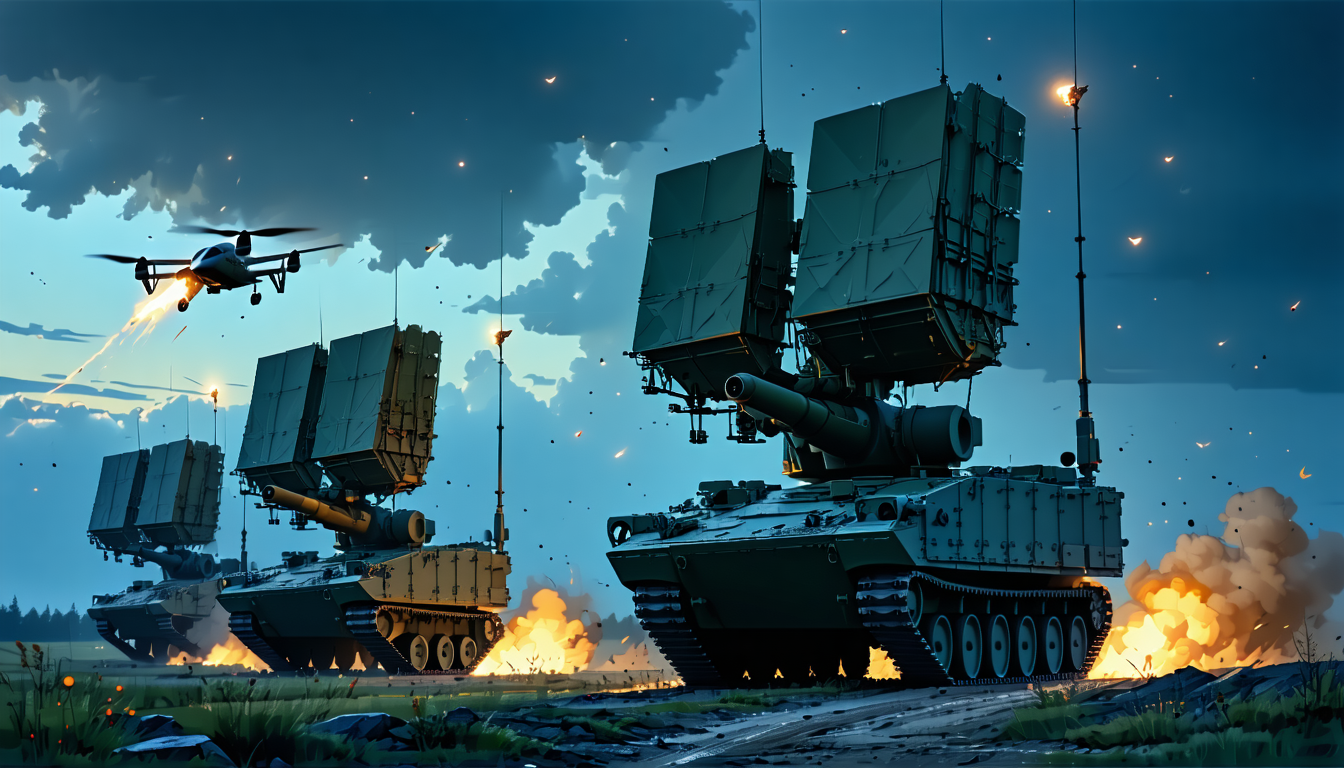
Recent Russian missile bombardments of Kyiv have exposed a severe weakness in Ukraine's air defense capabilities: a rapidly depleting inventory of Patriot interceptor missiles. As Moscow recognizes and exploits this vulnerability, Ukrainian leadership is preparing to intensify diplomatic pressure on Western allies to address the shortfall.
During a Russian strike on Kyiv in the early Monday hours, Moscow launched 23 ballistic missiles at the region, with Ukrainian air defenses unable to intercept any of them. The attack killed at least 14 people and left dozens more wounded. Just days earlier, on Thursday, Russia had conducted one of its largest bombing campaigns since the war's beginning, resulting in 31 deaths and over 100 injuries.
The latest Monday attack saw smoke billowing over the capital as emergency personnel worked through the rubble of residential buildings. One apartment complex suffered 5 fatalities, while another residential area sustained 6 deaths after a direct hit. Surrounding areas recorded 3 additional deaths and 15 injuries, with damage reported at a factory and warehouse facility that Russia claimed were military targets—a characterization Ukraine has not confirmed.
President Volodymyr Zelensky has made clear the stakes involved. "Patriot missiles are the priority, and the desire of the United States is not enough to fill the shortfall," he stated on Sunday evening. He further emphasized: "Every delay in our air defense missiles, the Patriot missiles, means the loss of lives and encourages Russia to continue the war. Patriot missiles are not needed now in warehouses, but rather in Patriot units inside Ukraine."
The Patriot system represents Ukraine's most reliable tool for intercepting ballistic missiles, a capability that has become increasingly vital as Russia shifts its military strategy. While Ukrainian forces have succeeded in downing most long-range Russian aircraft, the vulnerability to ballistic missiles has mounted civilian casualties significantly.
According to analysis by the Center for Information Resilience, a British-based open source investigation organization, Ukraine has intercepted approximately 90 percent of long-range Russian aircraft and 80 percent of the 722 cruise missiles launched against it this year. However, 70 percent of the 522 ballistic missiles Russia has fired have penetrated Ukrainian defenses—a figure expected to worsen as Patriot stocks continue depleting.
Ukrainian Air Force spokesman Yuri Ihanat acknowledged the predicament: "We need the means to shoot down ballistic missiles. We have enough systems, and what we need is a regular supply of missiles. It is clear that the Russians are exploiting the fact that there is a serious shortage."
The supply crisis extends beyond Ukraine's borders. Approximately 20 nations are competing for Patriot interceptor missiles from limited global reserves, while manufacturing timelines stretch beyond two years. The situation has been further complicated by the ongoing conflict in Iran, where the United States and Gulf states have consumed dozens of interceptor missiles nearly daily in defensive operations against Iranian ballistic threats.
Ukraine's Defense Minister revealed last week that he had appealed to roughly 40 partner nations to rapidly transfer Patriot missiles from their existing inventories in exchange for replacement shipments anticipated beginning next year. Kyiv is simultaneously pursuing development of indigenous ballistic interception systems and seeking U.S. licenses to manufacture Patriot interceptors domestically—though neither pathway is expected to resolve the immediate crisis.
Lockheed Martin has committed to substantially expanding production capacity, with plans to manufacture approximately 2,000 interceptor missiles annually by 2030, according to reporting by the Wall Street Journal. Each missile carries a unit cost of approximately $2 million.
Ukraine has placed substantial orders for Patriot missiles, supported largely through European financing. These include roughly 100 PAC-2 interceptor missiles sourced from a newly constructed German facility operated by European missile manufacturer MBDA. That production facility is scheduled to commence operations by year's end.
Meanwhile, NATO member states are simultaneously placing their own orders for interceptor missiles to strengthen collective European air defense architecture—a system analysts characterize as possessing significant gaps. Caught between production delays and allied competition for existing stocks, Ukraine confronts an urgent calculus: each missile not reaching the front potentially becomes another hole in Kyiv's defensive shield.
Zelensky is expected to prioritize securing additional interceptor missiles during the upcoming NATO summit in Ankara, marking the next phase of Ukraine's diplomatic campaign to address its air defense emergency.
Compare options