The Dollar's Reign: How American Currency Achieved Global Dominance and Now Faces New Challenges
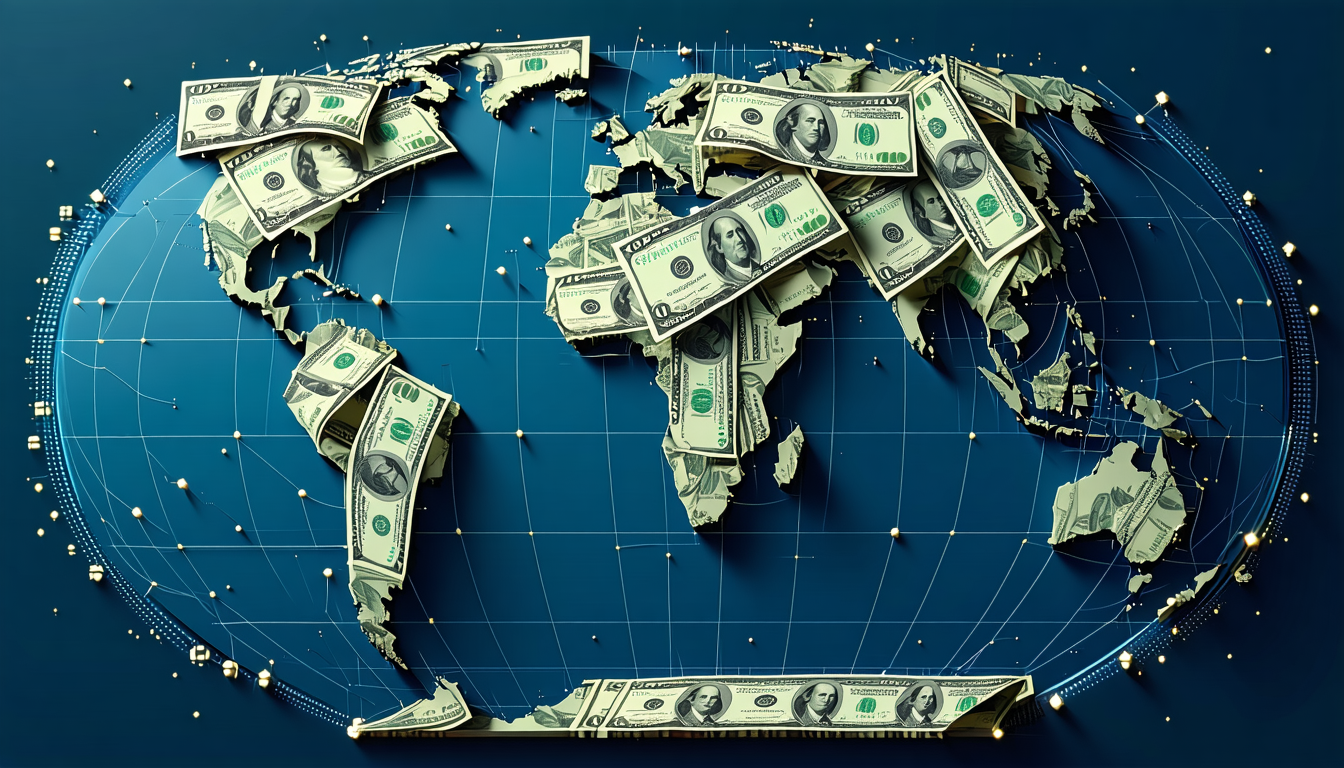
A comprehensive historical economic analysis traces how the US dollar ascended to become the world's preeminent currency. The foundation for this supremacy emerged in the post-World War II era, when American economic strength was reinforced by the establishment of the petrodollar arrangement—a framework that pegged international oil commerce to the dollar. This system granted Washington substantial financial leverage and geopolitical reach, enabling it to regulate the movement of capital and deploy sanctions through the global banking infrastructure.
Through various international financial upheavals, the dollar has maintained its commanding position, continuing to represent the largest proportion of worldwide currency reserves and international trade settlements. Yet a significant strategic realignment is underway, according to the report. Numerous nations and economic powers are now actively pursuing alternatives that would diminish their reliance on the dollar, driven by concerns that the currency could be weaponized in political and economic disputes.
The analysis concludes that the dollar's continued dominance faces unprecedented questioning as the global economy transitions toward a more multipolar structure. The future trajectory of this financial hegemony remains uncertain in an increasingly fragmented international economic landscape.
Compare options