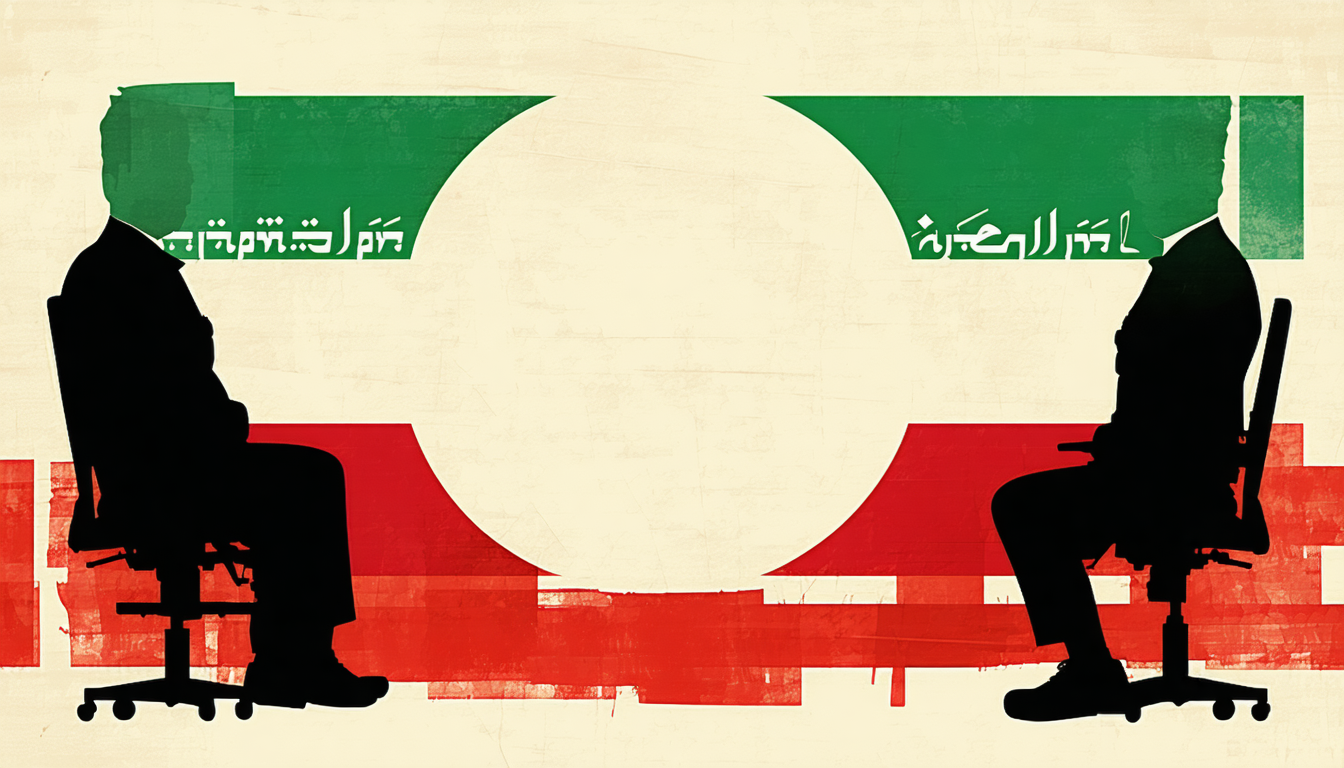
Lebanon Faces Sidelined Status as Regional Powers Reshape Middle East Priorities

The Lebanese political establishment is grappling with a troubling realization: the nation's concerns may no longer command center stage in international diplomacy. Recent developments in Damascus and at the NATO summit have shifted the spotlight away from Beirut, leaving observers to question whether Washington continues to prioritize Lebanon as an independent policy concern or has folded it into a larger strategic framework encompassing Syria and the Eastern Mediterranean.
This anxiety intensified following France's diplomatic overtures toward Syria and Turkey's prominent role in NATO discussions, where regional security, Syrian relations, and Mediterranean stability dominated the conversation. The question now circulating among diplomatic observers is whether international engagement with Lebanon's challenges has transformed from crisis management into a component of broader regional negotiations involving Ankara, Damascus, and Western capitals.
Scheduled indirect talks between Lebanese and Israeli negotiators in Rome on July 14 and 15, mediated by the United States, appear less indicative of renewed American focus on Lebanon and more representative of efforts to maintain momentum on existing agreements and prevent renewed conflict in the south. While the American administration continues to support ceasefire implementation, its attention seems distributed across more pressing concerns, particularly escalating tensions with Iran. This dynamic persists despite an anticipated visit to Washington by Lebanese President Joseph Aoun.
Italy has positioned itself as a neutral venue for dialogue, with Foreign Minister Antonio Taiani emphasizing Rome's commitment to regional stability through hosting these negotiations. Israeli Foreign Minister Gideon Sa'ar characterized the agreement as "historic" and confirmed the upcoming Italian capital round.
President Aoun has made clear that Lebanon's negotiating position will not be compromised by external actors, stating unequivocally that he will not tolerate anyone negotiating on Lebanon's behalf. He simultaneously condemned ongoing Israeli incursions, particularly those affecting Nabatieh, and appealed to the United States and relevant nations to compel Israeli compliance with ceasefire terms and agreement implementation.
Foreign Minister Youssef Raji characterized the agreement as merely "the beginning of the beginnings," opening pathways for discussions on fundamental matters including ceasefire establishment, Israeli withdrawal, prisoner liberation, and border demarcation. The government, he emphasized, remains committed to concentrating all weapons under state authority while rejecting external interference in Lebanese decision-making.
The Phalange Party has called for accelerating full agreement implementation, enabling complete Israeli withdrawal, facilitating displaced persons' return, and initiating reconstruction efforts.
Hezbollah maintains its opposition to the current framework, with representative Hussein Jishi asserting that the agreement provided Israel with "gains without return." He questioned the logic of pursuing additional negotiations when the existing ceasefire agreement already mandates complete Israeli territorial withdrawal. He further denied that Iran participated in negotiations on Lebanon's behalf.
Former Progressive Socialist Party leader Walid Jumblatt similarly criticized the agreement's substance, contending that "Israel dictated" its terms to an inexperienced Lebanese negotiating team operating both domestically and internationally.
At the United Nations level, Acting Special Coordinator Jean Arnault commenced talks in Israel focused on reinforcing the cessation of hostilities and enforcing Resolution 1701. These diplomatic efforts occur amid persistent Israeli violations in southern Lebanon, including recent reports of Israeli flags raised on Ali Al-Taher Hill—imagery underscoring the fragile nature of the border calm and suggesting ongoing military positioning in multiple locations.
Compare options