Hezbollah's Qassem Outlines Vision for Lebanon's Future, Calls for Negotiations Under Resistance Framework

Hezbollah's Secretary-General Sheikh Naim Qassem addressed crowds gathered at popular commemorations surrounding the funeral of Iranian Supreme Leader Ayatollah Ali Khamenei, using the occasion to articulate his organization's stance on Iran's role, regional dynamics, and the path forward for Lebanon.
In his remarks, Qassem characterized Khamenei's passing as "a rise, a movement, and a revolution," describing the late leader as "unique in his time and an exceptional leader" who served as "the guardian of the nation" and architect of contemporary Islamic civilization. He reflected on his personal connection to Khamenei, recounting a letter he received on September 10, 2024—just twelve days after Hassan Nasrallah's death and six days following his own election as Secretary-General. In that correspondence, Khamenei conveyed his support in the same measure he had extended to Nasrallah.
Qassem emphasized that Khamenei's approach of consistently asking what the party needed rather than making demands would persist under the current leadership, particularly under the guardianship of Ayatollah Sayyed Mojtaba. He noted that the tens of millions who participated in funeral ceremonies across Iran and Iraq demonstrated the Iranian people's commitment to their leadership and validated Iran as "the regime of the people, the human being, and the vitality."
Regarding regional matters, Qassem characterized the American and Israeli military operations against Iran as "global aggression," while asserting that Iran emerged "more cohesive" from the confrontation. He credited Iran's leadership, government, military, and population with providing Hezbollah "strength, support, pride, and the ability to liberate and serve society."
On Lebanon's ceasefire arrangement, Qassem attributed its achievement to "the resistance's steadfastness and Iran's support," while calling for an end to American influence over Lebanese affairs. He criticized what he described as American demands serving Israeli interests and contrasted Iran's relationship with Hezbollah favorably against the United States, which he said "humiliates its allies and takes their resources."
Qassem documented ongoing violations in southern Lebanon since the ceasefire took effect, citing the recent targeting of a school principal, her mother, and two companions in Nabatieh al-Fawqa. He questioned the Lebanese state's response and suggested that American pressure on Israel remained insufficient, implying that such incidents reflected broader American policy decisions.
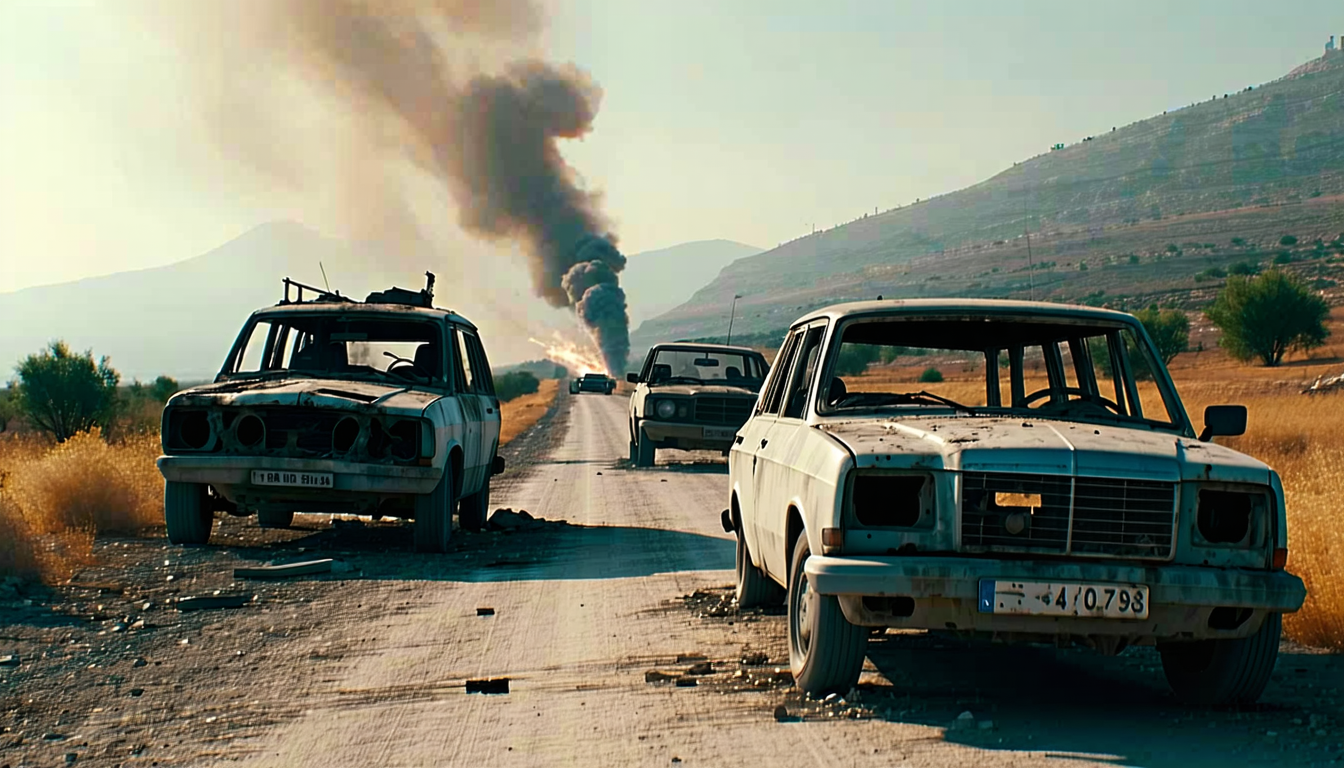
The Hezbollah leader launched a forceful critique of what he termed the "Framework Agreement," characterizing it as "fully serving Israel" and "illegitimate, unconstitutional, non-charter, and illegal." He objected particularly to the agreement's substitution of the concept of "repositioning" for Israeli withdrawal, which he argued amounted to accepting continued Israeli control over portions of Lebanese territory. He called on Lebanese authorities to repudiate the accord entirely.
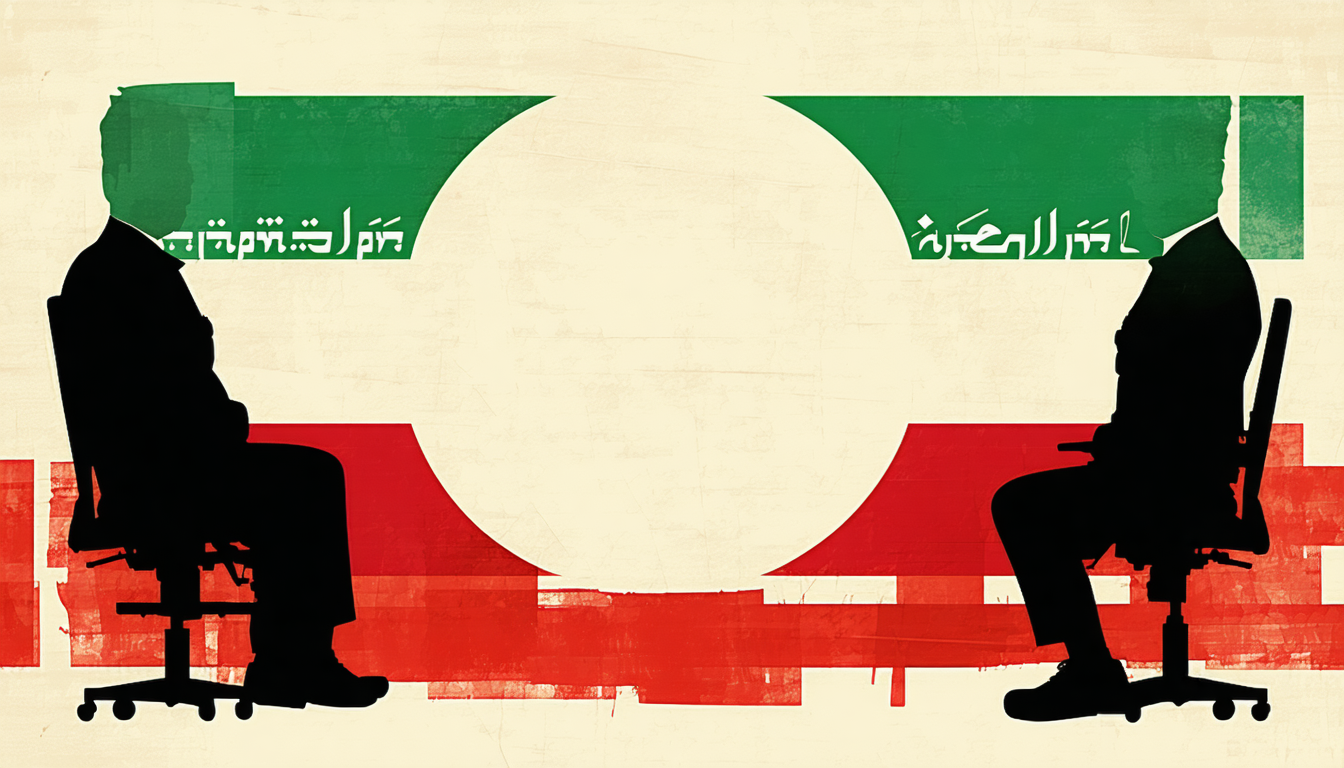
Addressing the President of the Republic directly, Qassem advocated for indirect negotiation as a preferable approach, recommending adequate time for studying proposals through consultation with specialists and relevant stakeholders. He cited the precedent of Speaker Nabih Berri's involvement in the November 27 agreement and the extended timeline of Iranian-American negotiations, which he noted exceeded forty days.
Qassem reiterated that Hezbollah would not provoke internal conflict but would defend itself against attacks, prioritizing the restoration of sovereignty and Israeli expulsion. He stressed that any solutions must emerge from Lebanese-led discussions.
The resolution he proposed begins with complete Israeli withdrawal and deployment of the Lebanese military south of the Litani River to the border, coupled with cessation of land, air, and sea operations, prisoner releases, reconstruction efforts, and facilitation of civilian returns to their communities. Qassem emphasized adherence to the Iranian-American understanding framework and reaffirmed his party's commitment to liberation, concluding that "the Israelis will not settle" on Lebanese territory.
Compare options