Argentina Advances to 2026 World Cup Final After Extra-Time Victory Over Switzerland
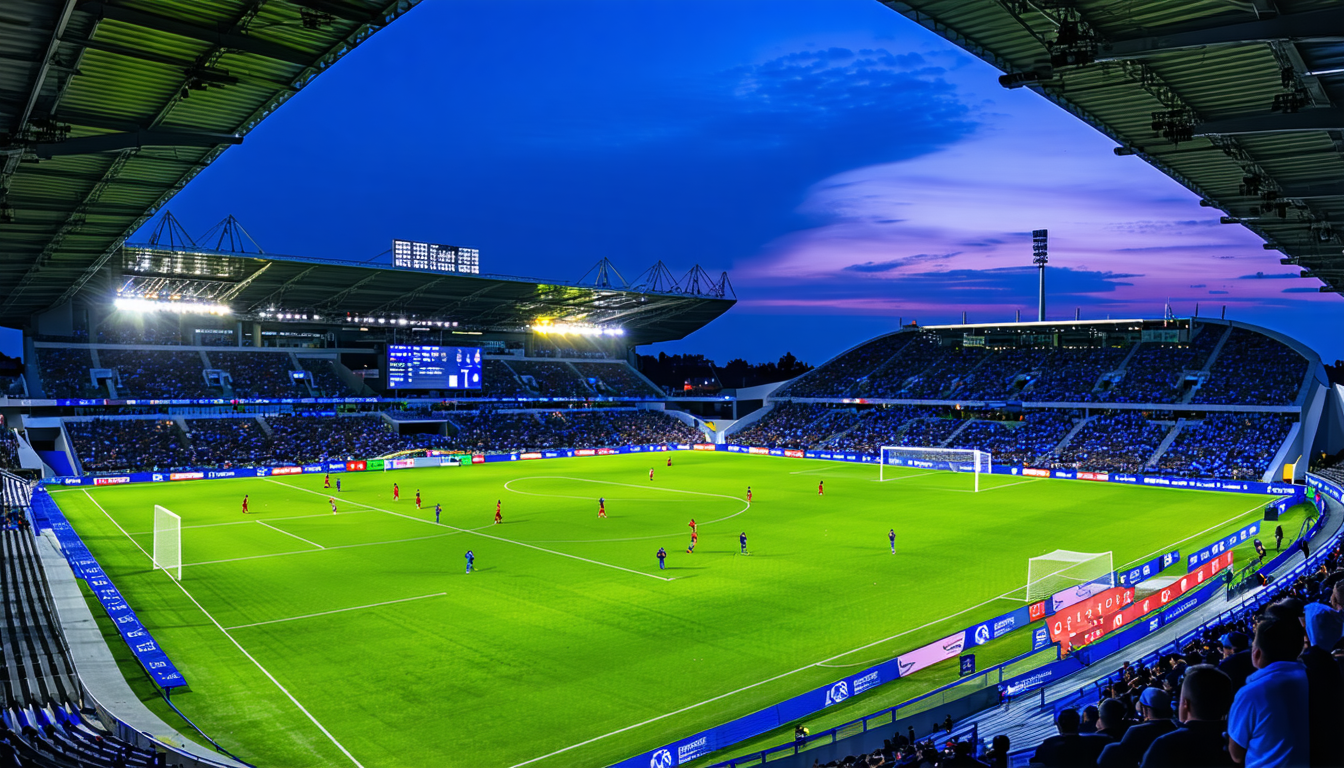
Argentina has earned their spot in the 2026 World Cup final, overcoming Switzerland with a 3-1 victory that extended into extra time. Alexis McAllister gave the Argentine side an early advantage, but Switzerland responded with an equalizer that forced the match beyond regulation. During the additional period, Argentina capitalized on their numerical advantage when Julian Alvarez restored the lead, with Lautaro Martinez sealing the outcome with a third goal. Lionel Messi, though not finding the net himself, provided the assist on the opening goal from a corner kick.
The path to the final has exposed vulnerabilities in Argentina's campaign. The team required extra time to overcome Cape Verde and Switzerland, while also needing to recover from a two-goal deficit during their round of 16 encounter with Egypt. Their resilience in mounting comebacks remains a defining characteristic, yet their tendency to relinquish leads after taking them creates ongoing concerns heading into the championship match.
England secured their semifinal berth with a 2-1 extra-time triumph over Norway, with Jude Bellingham scoring both goals. The midfielder has become central to Thomas Tuchel's attacking strategy, and the statistics underscore this dependency: Bellingham and Harry Kane have combined for 12 of England's 13 tournament goals. This concentration of attacking output presents a potential weakness against Argentina's more varied offensive arsenal.
The Argentina-England semifinal on Wednesday, July 15, promises to be tightly contested. Argentina brings greater experience navigating knockout competition and multiple attacking threats through Messi, Alvarez, and Lautaro Martinez. England counters with physical prowess and a midfield capable of applying sustained pressure, though their offensive production beyond their two primary scorers remains limited. Both teams struggled through the quarterfinals, suggesting the match could prove decided by marginal differences or potentially extend to additional time once more.
France and Spain face each other in the opposite semifinal on Tuesday, July 14, with markedly different tactical profiles. France advanced past Morocco 2-0 through goals from Kylian Mbappe and Ousmane Dembélé, reaching the semifinals for a third consecutive tournament. Rather than maintaining constant pressure throughout matches, the French side demonstrates tactical discipline in knowing when to accelerate play and exploit available space.
Spain dispatched Belgium 2-1, with Mikel Merino scoring the decisive late goal—a repeat of his heroics against Portugal in an earlier round. The Spanish team excels at possession-based football and generating scoring opportunities, though they encountered difficulty translating their midfield control into early dominance during the tournament's preceding stages.
The championship match scheduled for July 19 at MetLife Stadium in New Jersey could feature a rematch of the 2022 Qatar World Cup final between Argentina and France. Alternatively, the final might pit Argentina against Spain in a clash emphasizing technical excellence. England could also reach their first World Cup final since 1966, contingent on eliminating the defending champions.
Experience appears to favor France and Argentina, both proven performers on football's grandest stage. Spain and England represent younger generations seeking to translate individual excellence into a first world title for their nations in decades.
Compare options