Iran's New Strategy: Shifting Focus Away from Lebanon and Gaza, Israeli Assessment Suggests

Israeli military analysts believe Tehran is pursuing a different approach to regional confrontation than previously anticipated. Rather than broadening hostilities across Lebanon and Gaza, Iranian leadership appears focused on establishing new pressure points and maintaining a controlled escalation strategy with Washington, according to reporting by journalist Avi Ashkenazi in Maariv.
The assessment comes as Israel enters peak tourism season amid growing concerns about whether the country might face simultaneous conflicts on multiple fronts. Public anxiety extends beyond reserve forces to encompass the broader Israeli population regarding potential escalation scenarios.
Current Confrontation Parameters
The U.S.-Iran confrontation remains geographically and militarily constrained, the report indicates. The conflict has stayed within Iranian territory regarding American operations, while Iranian responses have centered on the Persian Gulf region. Both sides appear to be managing what resembles a carefully calibrated escalation policy, with each preferring to maintain the conflict within defined limits—a dynamic that has so far prevented Iran from directly bringing Israel into the confrontation.
Iran has instructed Hezbollah to refrain from offensive operations against Israeli military forces in Lebanon. For weeks, the militant group has not launched attack drones, deployed anti-tank missiles, or conducted rocket bombardments. However, in Gaza, Iran continues providing direct support to Hamas and Islamic Jihad, whose operational plans involve tactical activities including planting explosives and targeting Israeli military positions. The report notes that despite these preparations, Iran has not granted these organizations approval to execute such operations due to its current strategic interests.
Yemen Emerges as Primary Theater
The Israeli assessment identifies Yemen as receiving the greatest share of Iranian strategic attention. The Islamic Revolutionary Guard Corps is reportedly encouraging Houthi forces to prepare a new operational option: attempting to close the Strait of Bab al-Mandeb. Tehran views this approach as potentially more effective than previous tactics, having concluded that Strait of Hormuz operations successfully exerted significant pressure on the United States. Closing Bab al-Mandeb could substantially disrupt global commerce by impeding shipping traffic from the Suez Canal toward Asia.
Iranian strategists appear to believe that launching two or three missiles along with comparable numbers of drones from Yemen toward Israel would not achieve the same impact as controlling critical maritime chokepoints. Additionally, Israeli retaliation against Yemeni-based attacks could prove severely damaging for both the Houthis and Iran itself.
Building a Threat Architecture
Iran is reportedly constructing what amounts to a "threat encirclement" around Israel that extends beyond direct borders to external theaters. The country has previously activated dormant cells affiliated with Hamas or Hezbollah that have targeted Israeli and Jewish objectives. The report references the July 18, 2012 bombing in Burgas, Bulgaria, where a Hezbollah suicide operative detonated explosives near buses carrying Israeli tourists, killing five Israelis and one Bulgarian citizen while wounding approximately 30 others.
Israeli Military Posture in Lebanon
The Israeli military maintains deployment across a series of elevated positions throughout southern Lebanon, extending from the Mount Hermon ridge in the east—overlooking the northern Bekaa Valley—to the Sultan Yaqub area and the Beirut-Damascus road. The forces also hold Ali al-Tahir hill, which provides rapid access toward Nabatieh, the Bekaa region, and Beirut, as well as the Silvester ridge overlooking Barisha, offering access to central Lebanon and the coastal towns of Majdal Zoun and Ras al-Bayda near Tyre and Sidon.
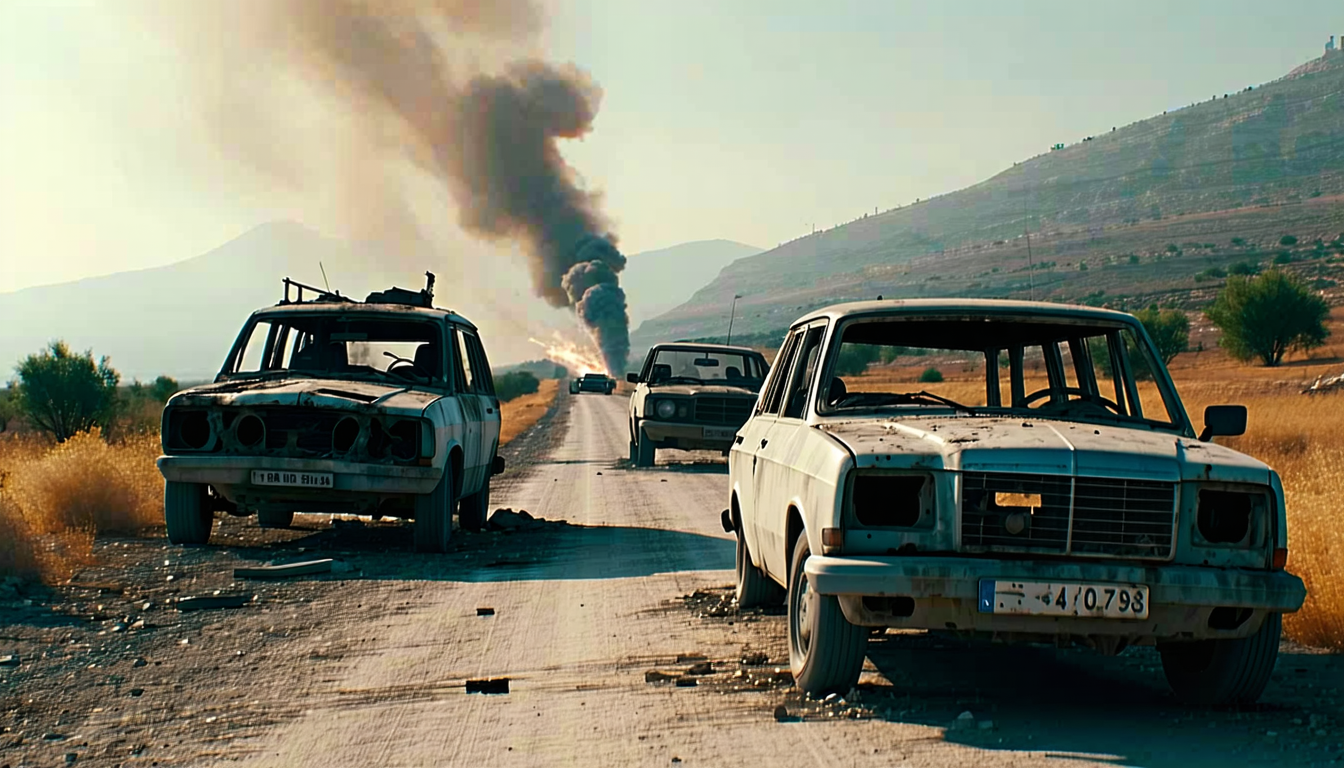
The Israeli military continues preparing operational plans for multiple scenarios. An incident yesterday near Ras al-Bayda involved a motorcycle rider approaching Israeli forces positioned near the Blue Line before Israeli air power responded. The report suggests that despite Iranian directives to Hezbollah against attacking Israel, the Israeli military has detected attempts by the group to test Israeli responses—including motorcycle approaches to military positions and reconnaissance missions into tunnels at Ali al-Tahir hill.
Sustained Alert Status
An Israeli military official stated: "We are vigilant and monitoring developments in Iran, but not only there. It is clear to us that a test of fire could come from several locations and different fronts, which requires us to maintain an exceptionally high level of readiness, both defensively and offensively."
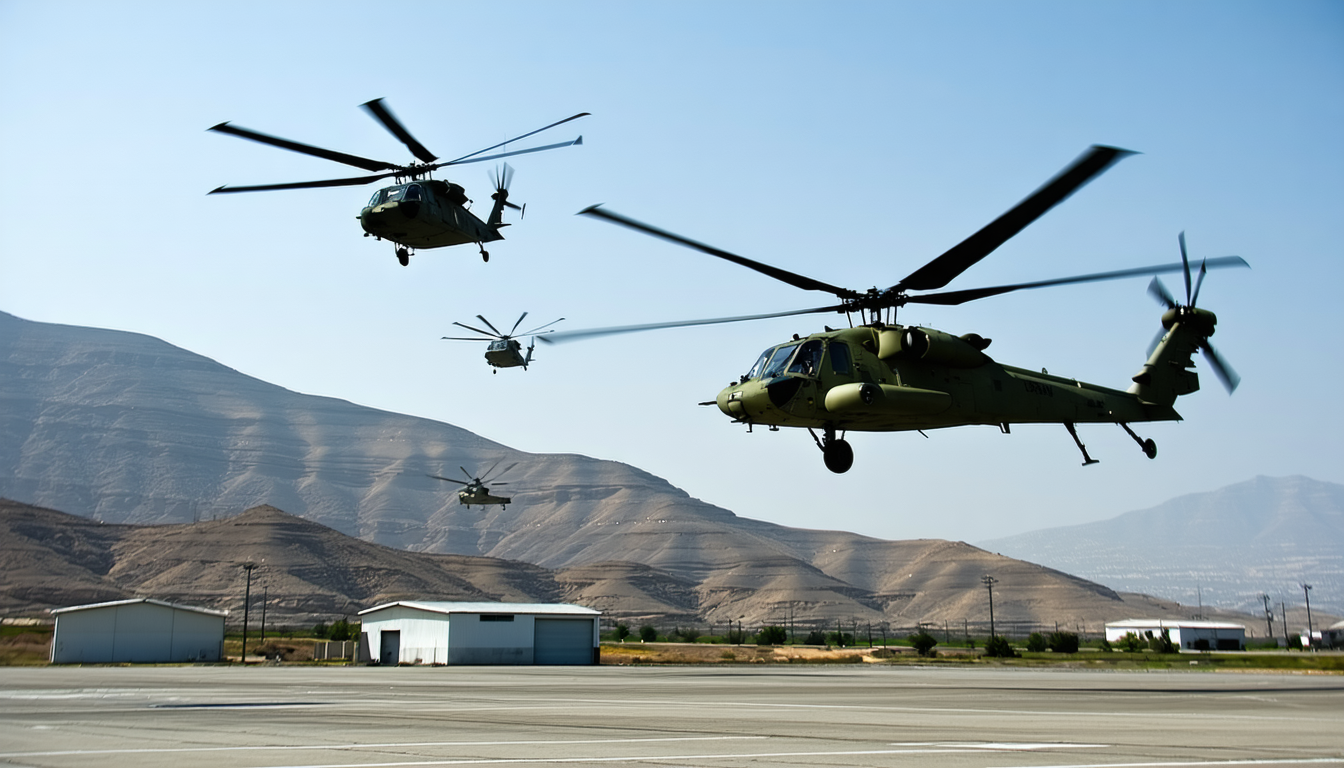
The official added that air force units have maintained maximum readiness for over 40 days, while forces deployed across Lebanon, Syria, the West Bank, eastern borders, and Gaza remain in continuous operational alert. Israel is currently in what officials characterize as a "waiting period" that will likely determine the trajectory of the next phase of regional confrontation.
Compare options