Internal Israeli Doubts Grow Over Trump's Shifting War Objectives Against Iran
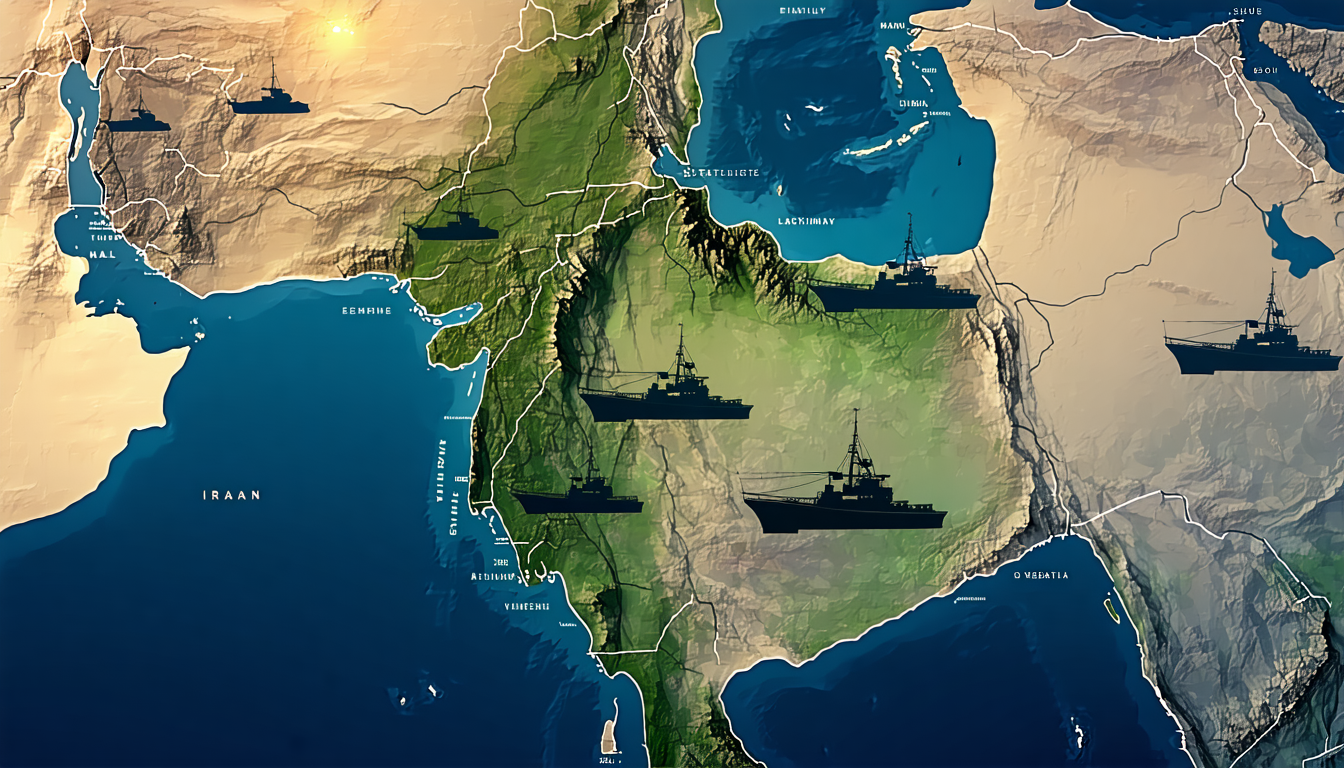
Growing friction within Israeli security circles reveals deep concerns about the trajectory of the American military campaign against Iran under President Donald Trump's leadership, with critics questioning whether strategic objectives have been abandoned in favor of political posturing.
An analysis published by Haaretz highlighted the widening gap between the stated rationale for military action—dismantling Iran's nuclear capabilities—and the actual operational focus. Rather than targeting nuclear facilities, enriched uranium stockpiles, or missile bases, the analysis noted that American operations have shifted toward limited "surgical" strikes designed primarily to compel Tehran back to the negotiating table.
Trump has indicated that should diplomatic pressure prove insufficient, the administration would consider strikes against Iran's energy infrastructure, including power generation facilities and bridge networks. Such an approach would represent an unprecedented escalation in scope and would inflict severe civilian casualties and damage to critical infrastructure. Regional analysts warn that such measures could provoke Iranian retaliation against civilian targets throughout the Middle East.
The newspaper's assessment suggests Trump's recent statements signal a fundamental reorientation of military objectives. What began as a campaign focused on nuclear containment now appears motivated by retribution should negotiation attempts falter—a shift that raises questions about the underlying strategic rationale.
The analysis also highlighted the apparent contradiction in Trump's negotiation overtures, given that his administration previously announced the dissolution of the bilateral memorandum of understanding with Tehran that had encompassed 14 distinct provisions.
Recent escalations trace their origins to deteriorating conditions in the Strait of Hormuz, where Iran has targeted commercial vessels utilizing alternative shipping corridors along the Omani coast to circumvent Iranian-controlled waters. This action reflects competing interpretations of the now-defunct agreement regarding navigation management and toll collection in the strait.
Iran maintains that the accord granted it authority to regulate shipping and collect transit fees following the expiration of transitional provisions. The United States and Oman have instead promoted an alternative maritime corridor designed to diminish Iranian control—a proposal Tehran rejected as a violation of existing agreements.
A visit by Iranian Foreign Minister Abbas Araqchi to Muscat failed to produce a resolution. The region subsequently witnessed fresh military escalation, with missiles striking American installations and vessels in waters near Oman.
According to Haaretz's analysis, the underlying conflict has transcended nuclear issues entirely. The confrontation now centers on territorial sovereignty and maritime dominance, with either side's concessions carrying severe domestic political costs. This dynamic substantially raises the risk of broader regional conflict unless both parties can negotiate a limited settlement that restores diplomatic engagement.
Compare options